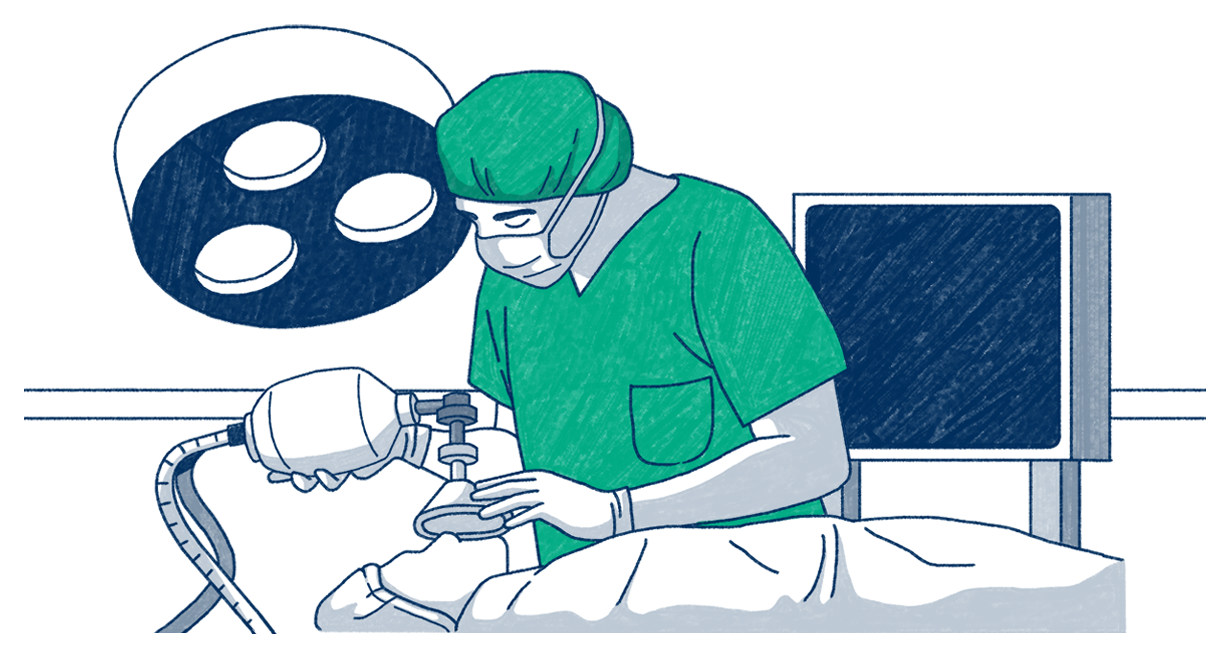
Being a neurosurgeon requires extraordinary precision, focus, and over a decade of education and rigorous training. Your hands, eyes, and mind are your most valuable assets as you develop the specialized skills needed to operate on the brain and spine.
But that same precision also makes neurosurgeons uniquely vulnerable to career-ending injuries or illness. A tremor, a slipped disc, or even a slight loss of dexterity can end a surgical career overnight. Physicians, especially those in high-stakes procedural specialties, face real occupational risks every day. This is why the right disability insurance for neurosurgeons is not just important but essential.
The Unique Risks Neurosurgeons Face
As a neurosurgeon, you are dedicated to your patients, often putting their well-being over your own. That commitment makes it easy to overlook the physical and cognitive toll that long surgeries and demanding schedules can take. These occupational risks are exactly why disability insurance for neurosurgeons is so critical. Let’s break down some of the most common issues neurosurgeons face.
Musculoskeletal Injuries
Hours in the operating room, locked in one position, leaning over an operating table; it takes a toll on your body. Complex procedures like craniotomies, spine fusions, or tumor resections can last more than 8-12 hours.
If you have ever walked out of an OR feeling stiff, you know the strain firsthand. Prolonged static posture and repetitive movements can lead to chronic neck and back pain, muscle fatigue, and nerve compression. Once these issues start affecting your posture and ability to stand for extended periods, performing surgery becomes extremely challenging.
Even the most skilled surgeons aren’t immune. Many develop long-term musculoskeletal problems simply from years of intense physical demand.
Fine Motor Impairments
Your hands are everything. Neurosurgery requires precision down to the millimeter. Using tools such as microscissors, bipolar forceps, and microsutures requires flawless control. A slight tremor, reduced dexterity, or numbness can instantly jeopardize your ability to operate safely. When surgery is your livelihood, any impairment puts your income at risk. This is one of the primary reasons neurosurgeons need strong disability insurance coverage.
Eye Strain and Vision Issues
If you have ended a long surgery with burning eyes, blurry vision, or difficulty focusing, you are not alone. Hours spent using surgical loupes or microscopes can cause significant eye strain and may even affect depth perception over time.
Your vision plays a critical role in your accuracy; without it, it can be career-ending. A comprehensive disability insurance policy helps protect you if vision issues impact your ability to perform surgery.
Mental Fatigue and Burnout
Neurosurgery is not just physically demanding; it is emotionally heavy. Every case carries serious stakes, and constant pressure to perform life-saving surgeries can lead to chronic stress and burnout.
Mental health is just as important as your physical health. Some disability insurance policies for neurosurgeons can include coverage for mental health. As a neurosurgeon, it is important to consider mental health coverage due to the high burnout rates in the medical field.
Cognitive or Neurological Risks
As a neurosurgeon, you know better than anyone how vital cognitive function is. Your ability to think clearly, make split-second decisions, and maintain focus during long and complex procedures defines your career.
However, even a minor disruption can have a significant impact. For example, a mild concussion could temporarily affect memory, focus, and coordination. Chronic sleep deprivation, a reality for many surgeons, can slow reaction times and reduce contraction.
If you ever reach a point where you experience cognitive symptoms, it is time to prioritize your brain health so you can be there for your patients.
Key Policy Features Neurosurgeons Need to Look for
When comparing disability insurance for neurosurgeons, it’s important to remember that not all policies are created equal. Along with having the ability to acquire both short-term and long-term coverage to protect your income, there are also additional add-ons. Look for essential features and riders that not only meet the demands of your specialty but also align with your lifestyle outside of the hospital.
- Own-Occupation: Ensures you are covered if you cannot perform in the OR, even if you can work elsewhere. Learn more about the Own-Occupation coverage here.
- Residual and Partial Disability Coverage: The rider provides benefits if you face an injury or illness that only allows you to work part-time.
- Cost of Living Adjustment (COLA): Keeps benefits amount aligned with inflation over time.
- Non-cancelable and Guaranteed Renewable: Prevents your insurance provider from raising rates or changing the terms.
- Catastrophic Benefit: Offers additional protection if you become severely injured or ill and require assistance with daily activities.
Each of these features ensures your policy aligns with your career risks and lifestyle as a neurosurgeon. If you need some guidance on which riders you may or may not need, it is always beneficial to reach out to a disability insurance broker specialized in physicians to discuss your concerns and goals.
When Should Neurosurgeons Get Disability Insurance and How Much?
Sooner the better. The best time to get disability insurance is early in your career, ideally during residency. Younger residents may qualify for lower premiums and fewer health-related exclusions.
What happens if I am already an attending without disability insurance? For established neurosurgeons, it is never too late to obtain a policy or supplement existing coverage, especially if your income has grown. Many hospitals offer group policies, but it is essential to understand what your coverage includes and what additional coverage you may need to be fully protected.
Disability Insurance Cost Considerations
Let’s talk numbers because when it comes to protecting your income, the details matter. Your paycheck is not just money; it is a reward for all your years of education, training, and long sleepless nights.
When determining your benefit amount as a neurosurgeon, consider:
- Monthly living expenses (mortgage, rent, utilities, etc.)
- Student loans
- Retirement saving goals
- Future family needs
The cost of disability insurance varies for each physician. Instead of comparing your price to a colleague’s, focus on whether your own coverage and cost feel right for you.
Premiums for neurosurgeons depend on:
- Age and health
- Speciality risk
- Benefit amount and length
- Additional riders
While premiums may be expensive, the long-term protections outweigh the cost. The goal is not just to get by; it is to maintain financial security and be prepared for whatever life may throw at you.
Parting Thoughts About Disability Insurance for Neurosurgeons
Neurosurgery pushes both body and mind to their limits. The same qualities that make it a well-respected specialty—precision, stamina, and focus—also make it one of the most physically vulnerable careers in medicine. That is why disability insurance for neurosurgeons is not just about income; it is about protecting everything you have built through the years of training and sacrifice.
Before you need it, make sure you have it.
Category:

PearsonRavitz Content Team
The PearsonRavitz Content Team brings together the expertise of Scott Ravitz and Stephanie Pearson MD who are respected leaders in their fields. Their knowledge and experience form the foundation of the insights we share. Our content team then transforms this expertise into engaging and informative blog articles for our website. Every piece of content is designed to educate, empower, and support physicians in making informed decisions about disability and life insurance.